Day: August 24, 2026

Professional Event Guards Supporting Safer Crowds Without Disrupting Experiences

Professional Event Guards Supporting Safer Crowds Without Disrupting ExperiencesProfessional Event Guards Supporting Safer Crowds Without Disrupting Experiences

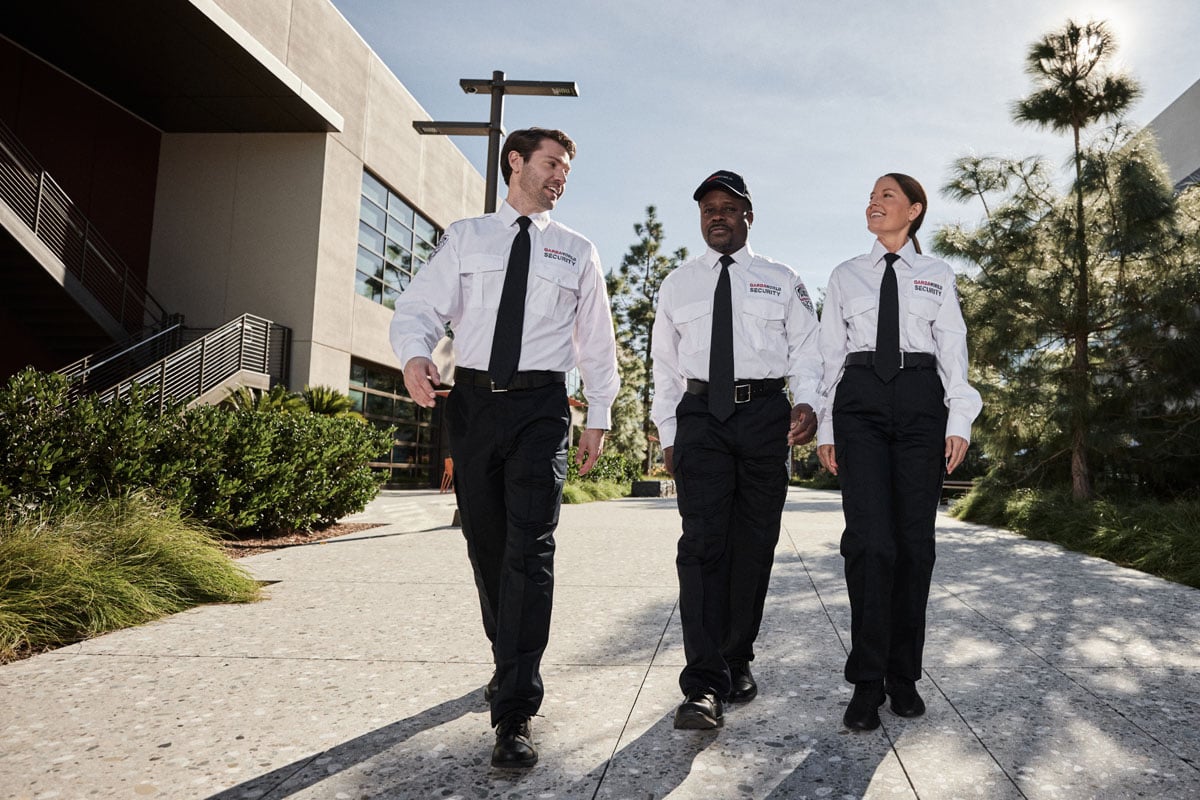
A well-managed gathering feels calm from the guest perspective. Behind that ease, trained guards watch entrances, movement, and changing situations. A private security company los angeles team can support that balance through careful positioning and steady communication. Protection works best when personnel understand the venue before arrivals begin. Once doors open, attention shifts toward crowd flow, access control, and early signs of tension. This measured approach keeps safety present without making guests feel watched.

Skilled Guards Shape Order Naturally

Good event protection starts with preparation, not reaction. Before opening, guards review entrances, exits, staff areas, and restricted sections. That knowledge helps personnel choose useful positions without blocking normal movement. Clear planning also gives each guard a defined responsibility. As attendance increases, those roles help maintain a steady rhythm across busy areas.

Why Does Crowd Movement Matter?

Crowd flow can change quickly around popular attractions. A narrow passage may become crowded after one activity ends. Guards notice those pressure points before movement becomes difficult. Their response can remain simple and calm, such as guiding guests toward open routes. This keeps foot traffic moving while preserving the event atmosphere.

Quiet Responses Keep Tension Contained

Not every concern requires visible intervention. A trained guard can approach a disagreement with calm words first. That choice often prevents attention from spreading across nearby guests. When stronger action becomes necessary, personnel can respond within established procedures. Useful habits include:

private security company los angeles

  • Guards keep pathways clear during busy periods.
  • Staff communicate concerns through direct radio updates.
  • Guests receive simple directions during delays.
  • Supervisors coordinate responses when incidents develop.

This style keeps security focused without creating unnecessary distraction.

Can Guards Adapt During Peak Hours?

Peak periods create different demands across one venue. Entry lines may tighten before a program starts. Exits can become crowded once activities finish. Guards adjust positions as those patterns change. At a private security company los angeles operation, flexible coverage can support smoother transitions without interrupting guest routines. Communication also helps personnel respond before small issues become larger concerns.

A Calm Exit Shapes The Final Memory

Guests often remember the final moments more clearly than expected. A smooth departure can reinforce the comfort created throughout the gathering. For that reason, protection should continue beyond the main program. Guards managing exit paths and pickup areas can reduce confusion at the closing stage. Quiet control then becomes part of the experience itself.

FAQs

What do event guards monitor during gatherings?
Guards watch entrances, crowd movement, restricted areas, and developing conflicts.Attention can also cover emergency routes and guest assistance.

Can guards remain discreet around guests?
Yes, careful positioning keeps protection visible without dominating attention.Calm communication also limits unnecessary disruption during sensitive moments.

When should event security planning begin?
Planning should start before guests reach the venue.Early preparation helps identify access points, routes, and responsibilities.

Does security affect the guest experience?
Well-planned coverage can make movement feel easier and calmer.Guests can enjoy activities without constant visible intervention.
Running Into Production Delays? Integrated Machining Services Can Keep Work Moving

Running Into Production Delays? Integrated Machining Services Can Keep Work MovingRunning Into Production Delays? Integrated Machining Services Can Keep Work Moving

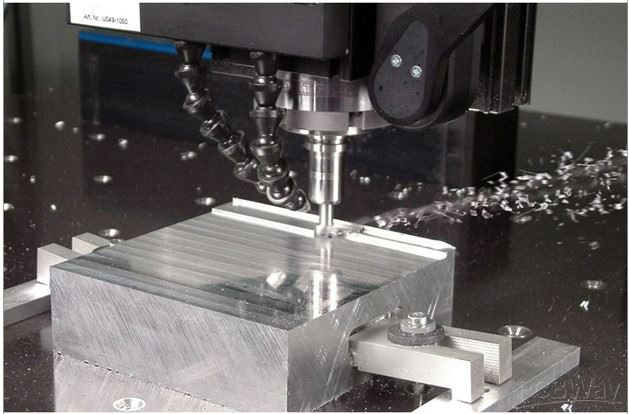
Production delays often begin with one missing machining step. A capable cnc machine shop Dallas can help keep fabrication schedules intact through coordinated cutting, turning, finishing, and inspection. Integrated machining services reduce handoffs, shorten response times, and maintain dimensional consistency. The right setup also helps manufacturers handle urgent revisions without disrupting active production. For complex work, that coordination can matter as much as machine capacity.

Integrated machining keeps production connected

A connected machining process reduces avoidable pauses. Parts can move from turning to milling without repeated vendor searches. Quality checks also happen closer to production activity. This arrangement helps engineers resolve tolerance concerns before larger batches proceed.

  • Machining steps remain coordinated.
  • Inspection catches deviations sooner.
  • Revisions move through fewer channels.
  • Production schedules face fewer interruptions.

Which bottlenecks deserve attention first?

Not every delay begins at the machine. Material preparation, programming, inspection, and finishing can create equally costly gaps. A useful review tracks where parts wait longest. That evidence helps production teams target the actual constraint instead of adding capacity blindly.For instance, a delayed fixture can stop otherwise ready components.

machine shop Dallas

Regional machining support shortens response times

Location can influence production recovery when timing becomes critical. A cnc machine shop Houston can support regional manufacturers with responsive machining, inspection, and finishing coordination. Shorter transportation routes can simplify urgent deliveries. Faster communication also helps clarify drawing revisions before work begins.Still, proximity alone cannot replace technical capability.

Multiple services reduce costly handoffs

Integrated providers can manage several production requirements through one coordinated workflow. That arrangement limits duplicated measurements, shipping delays, and conflicting process instructions.

  • Milling can follow turning without extra coordination.
  • Finishing can follow approved dimensional checks.
  • Inspection records can stay tied to parts.
  • Engineering changes can reach production faster.

The result is better continuity from raw stock onward.

Can inspection protect the schedule?

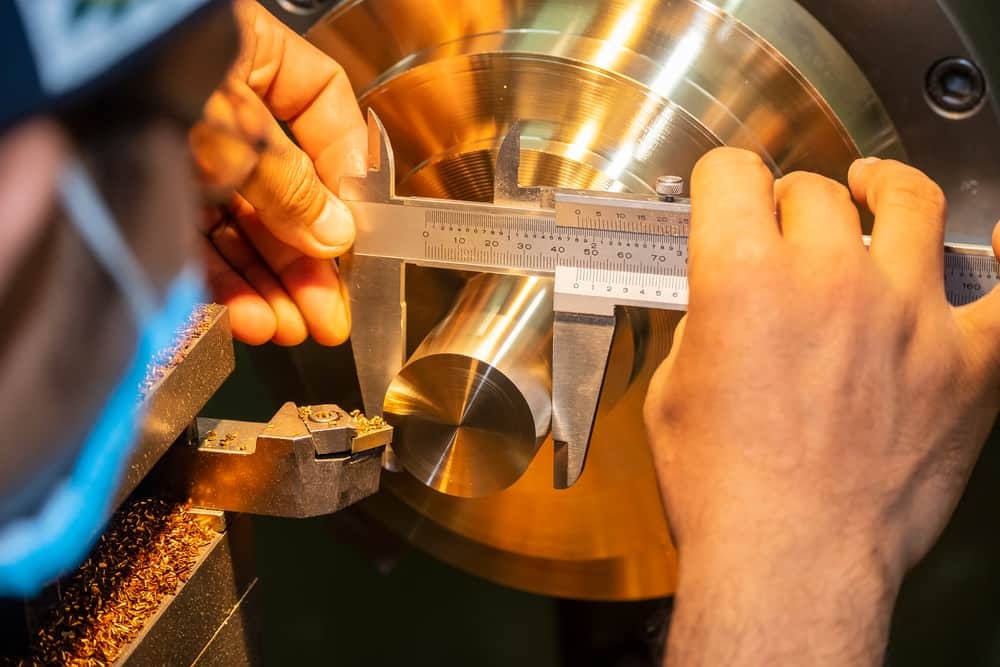
Inspection serves more than final acceptance. In-process measurements can identify drift before an entire batch requires correction. That approach protects material, machine time, and downstream assembly schedules. For tight-tolerance components, early verification can prevent a small deviation from becoming a major delay.A measured process creates useful feedback while work continues.

Production resilience starts with process continuity

A machining schedule becomes stronger when fewer decisions depend on separate vendors. Consider a component requiring milling, turning, surface treatment, and final inspection. Coordinating those stages creates one accountable workflow. The deeper advantage is not simply speed; it is faster recovery when specifications change.

FAQs

What are integrated machining services?
Integrated services combine machining, finishing, and inspection through one coordinated workflow.This approach reduces handoffs and keeps production information connected.

Can integrated machining reduce production delays?
Yes, fewer vendor transitions can shorten waiting and transportation periods.In-process inspection can also catch issues before batch completion.

Which machining processes can be combined?
Providers may coordinate milling, turning, drilling, finishing, and inspection.The available combination depends on equipment and project requirements.

When should manufacturers use integrated machining?
It helps when schedules involve tight tolerances or multiple processes.Complex revisions also benefit from centralized technical coordination.