Day: September 8, 2026

How BPC-157 Research Examines Cellular And Tissue-Related Pathways

How BPC-157 Research Examines Cellular And Tissue-Related PathwaysHow BPC-157 Research Examines Cellular And Tissue-Related Pathways

Tissue repair begins with signals moving between cells and surrounding structures. Current BPC-157 research peptide work examines how those signals may change after injury. Researchers focus on cellular communication, blood-vessel activity, inflammation, and tissue organization. Each pathway offers a different view of repair. Together, these findings help explain why cellular responses deserve careful attention before broader medical claims are made.

Cellular signals shape repair activity

BPC-157 studies examine several processes linked with cell signaling. These pathways can influence survival, movement, and communication after tissue stress. Nitric oxide activity also receives attention because vessels depend on related signals. As these reactions interact, researchers can trace how local changes affect surrounding tissue.

Experimental observations often focus on:

  • Cells responding to altered chemical messages.
  • Vascular activity changing nutrient delivery.
  • Fibroblasts supporting new structural material.
  • Inflammatory signals affecting local repair.

Blood vessels connect several repair processes

Vascular activity matters because damaged tissue needs oxygen and nutrients. Researchers therefore examine signals linked with endothelial cells and vessel formation. Changes around small vessels can affect nearby cellular behavior. This connection gives vascular pathways an important place in experimental BPC-157 research.

Still, a laboratory response does not prove treatment value. Human biology involves variables that controlled experiments cannot fully reproduce.

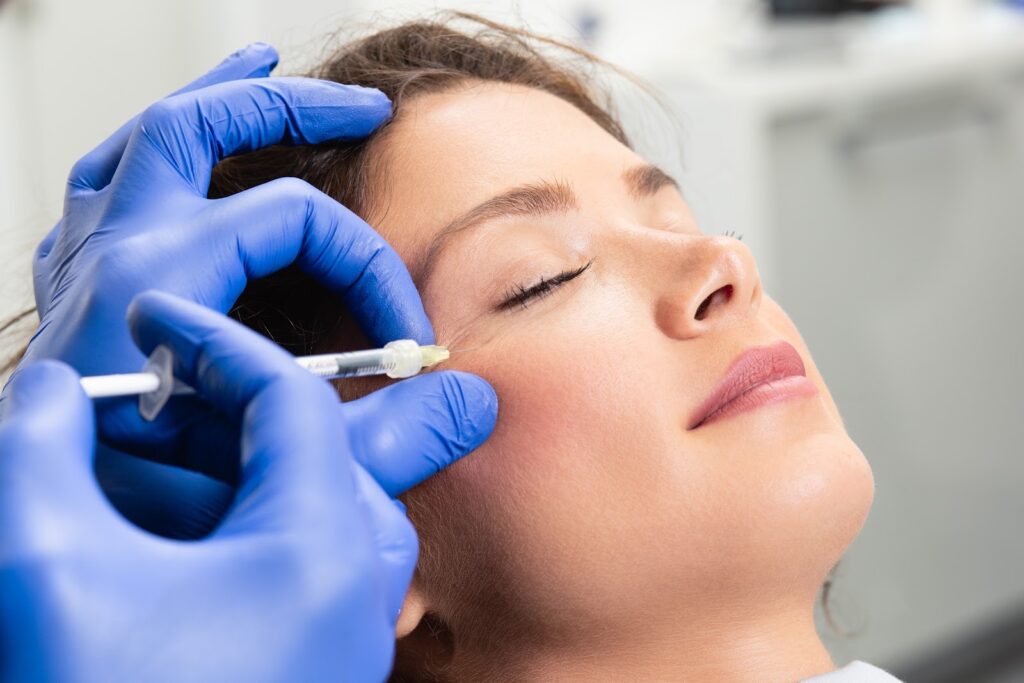
BPC-157 research peptide

Tissue structure reveals another layer

Repair also depends on the extracellular matrix surrounding cells. Collagen production can influence how new tissue gains structure. Researchers examine these changes alongside cellular signaling and vascular responses. The combined picture can show whether separate biological events follow a connected sequence.

For UK audiences, tesamorelin UK searches can introduce a different research topic. Tesamorelin and BPC-157 involve distinct biological questions. Treating both compounds as equivalent would therefore create confusion about their proposed mechanisms.

Why does inflammation receive attention?

Inflammation helps damaged areas respond to physical stress. However, excessive activity can interfere with orderly tissue restoration. BPC-157 investigations examine inflammatory signals around affected regions. Researchers can then assess whether altered signaling changes the local repair environment.

Several measurements can clarify those responses:

  • Laboratory assays can track cellular signals.
  • Tissue analysis can reveal structural changes.
  • Marker testing can measure inflammatory activity.
  • Animal studies can show broader responses.

Experimental models connect cellular observations

Animal models provide another way to examine pathway relationships. Researchers can compare tissue structure, vessel behavior, and cellular responses under controlled conditions. Timing and injury type can also change observed outcomes. Such variables matter because biological pathways rarely act in isolation.

Even so, animal findings have clear limits. Human physiology can respond differently under clinical conditions. Controlled human studies therefore remain essential for judging practical relevance.

Cellular details need clinical context

BPC-157 research gains meaning when separate observations form testable biological connections. Vascular signals may interact with inflammatory activity and structural changes. That possibility creates useful questions for future investigation.

The important distinction concerns evidence rather than promise. A visible cellular change can explain a mechanism without proving benefit. For BPC-157, that boundary keeps experimental findings in perspective. A tissue sample may show altered structure, while clinical research determines its actual significance.

How Injectables Create Subtle Changes While Preserving Natural Expression

How Injectables Create Subtle Changes While Preserving Natural ExpressionHow Injectables Create Subtle Changes While Preserving Natural Expression

A natural face changes with every smile and raised brow. Good injectable planning respects those small movements. At a med spa in pleasantville, careful assessment can guide modest treatment choices. The focus stays on balance, facial movement, and familiar features. Product type, amount, and placement all influence the final look. Together, those choices can refine features without erasing personality.

Careful planning shapes natural-looking results

Before treatment begins, facial movement deserves close attention. A provider watches how the forehead, cheeks, and lips move. That observation helps identify areas needing modest refinement. From there, treatment can follow existing facial structure. The result depends on restraint as much as technique.

  • Facial movement guides the treatment plan.
  • Small doses can preserve familiar expressions.
  • Placement follows individual facial structure.
  • Product choice depends on the desired change.

Why does dosage affect facial movement?

Amount matters because muscles create natural facial reactions. Too much product can reduce movement more than intended. Filler also requires measured use for balanced contours. Therefore, providers consider strength, shape, age, and facial proportions together. This approach keeps changes controlled rather than overly noticeable.

Placement helps preserve familiar features

Where an injectable sits can influence expression. A med spa in pleasantville can use targeted placement for gentle refinement. For example, forehead treatment may soften lines while preserving brow movement. Cheek filler can restore lost support without changing facial identity. Each adjustment should complement nearby features.
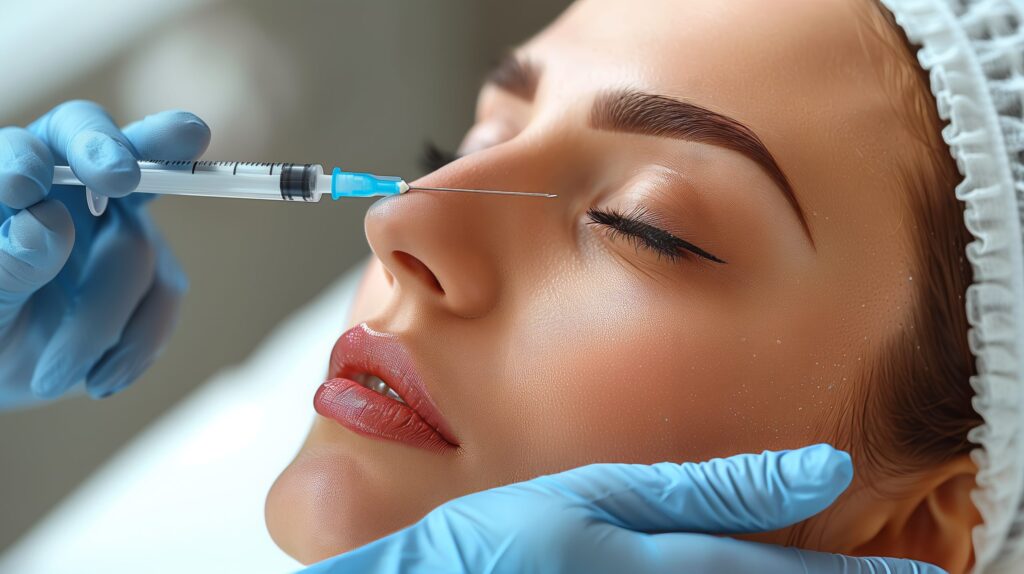
med spa in pleasantville

Can volume return without looking heavy?

Volume loss can affect cheeks, lips, temples, and jaw contours. Restoring support does not require adding large amounts. Instead, measured placement can improve transitions between facial areas. Several details help maintain that balance:

  • Existing contours guide filler placement.
  • Small additions can restore useful support.
  • Facial proportions remain part of planning.
  • Layered treatment can create smoother transitions.

Expression remains central to facial balance

A face rarely stays still during daily life. Smiling, talking, laughing, and raising eyebrows change its shape. Because of this, treatment should account for movement. Providers can also reassess results after swelling settles. That step helps determine whether further refinement serves the original goal.

Small changes can carry greater meaning

Subtle refinement often depends on one measured adjustment. A softened line may refresh the forehead without changing expression. Modest cheek support can also improve overall facial balance. Yet restraint remains important because recognizable features hold personal character. Natural movement therefore becomes part of successful aesthetic planning.

Familiar movement remains the clearest measure

A convincing result should still feel familiar during conversation. Earlier, eyebrow movement showed why placement matters. That same principle extends across the face. When expression remains recognizable, refinement becomes part of natural appearance rather than a separate feature.

FAQs

Can injectables preserve facial expressions?
Careful dosing can maintain selected movements while softening targeted concerns. Facial anatomy guides each treatment choice.

Does filler always create noticeable fullness?
No. Measured placement can restore support without adding excessive volume.

Why does placement matter with injectables?
Placement affects surrounding contours, movement, and facial balance. Precision helps keep changes subtle.

When should results be assessed?
Providers can review the outcome after initial swelling decreases. That review helps guide any needed refinement.