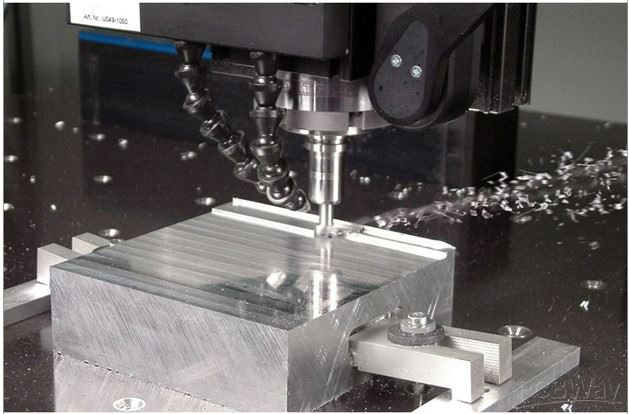
Production delays often begin with one missing machining step. A capable cnc machine shop Dallas can help keep fabrication schedules intact through coordinated cutting, turning, finishing, and inspection. Integrated machining services reduce handoffs, shorten response times, and maintain dimensional consistency. The right setup also helps manufacturers handle urgent revisions without disrupting active production. For complex work, that coordination can matter as much as machine capacity.
Integrated machining keeps production connected
A connected machining process reduces avoidable pauses. Parts can move from turning to milling without repeated vendor searches. Quality checks also happen closer to production activity. This arrangement helps engineers resolve tolerance concerns before larger batches proceed.
- Machining steps remain coordinated.
- Inspection catches deviations sooner.
- Revisions move through fewer channels.
- Production schedules face fewer interruptions.
Which bottlenecks deserve attention first?
Not every delay begins at the machine. Material preparation, programming, inspection, and finishing can create equally costly gaps. A useful review tracks where parts wait longest. That evidence helps production teams target the actual constraint instead of adding capacity blindly.For instance, a delayed fixture can stop otherwise ready components.
Regional machining support shortens response times
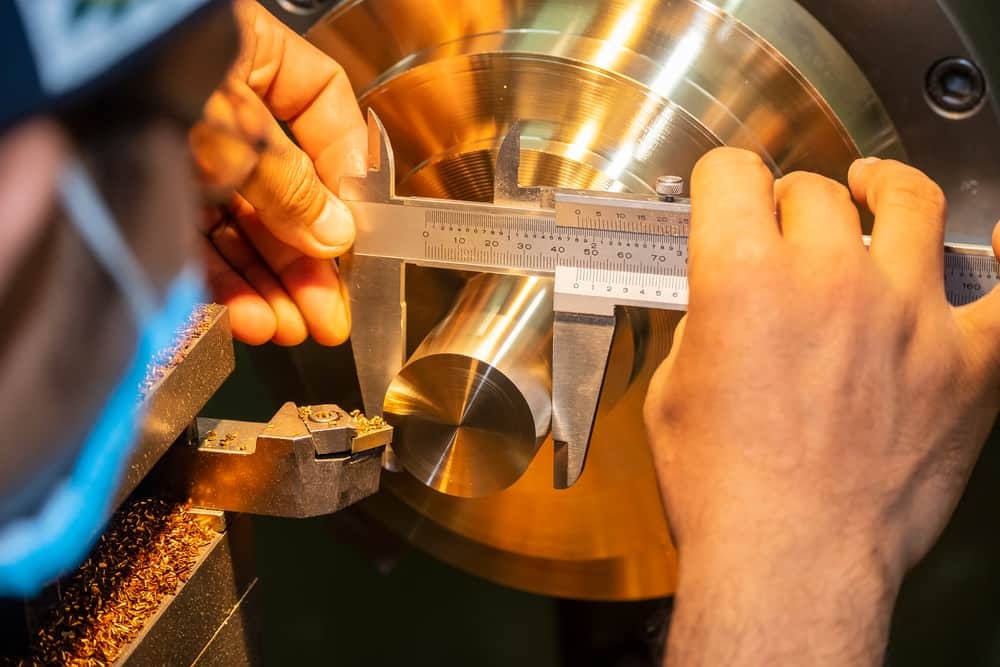
Location can influence production recovery when timing becomes critical. A cnc machine shop Houston can support regional manufacturers with responsive machining, inspection, and finishing coordination. Shorter transportation routes can simplify urgent deliveries. Faster communication also helps clarify drawing revisions before work begins.Still, proximity alone cannot replace technical capability.
Multiple services reduce costly handoffs
Integrated providers can manage several production requirements through one coordinated workflow. That arrangement limits duplicated measurements, shipping delays, and conflicting process instructions.
- Milling can follow turning without extra coordination.
- Finishing can follow approved dimensional checks.
- Inspection records can stay tied to parts.
- Engineering changes can reach production faster.
The result is better continuity from raw stock onward.
Can inspection protect the schedule?
Inspection serves more than final acceptance. In-process measurements can identify drift before an entire batch requires correction. That approach protects material, machine time, and downstream assembly schedules. For tight-tolerance components, early verification can prevent a small deviation from becoming a major delay.A measured process creates useful feedback while work continues.
Production resilience starts with process continuity
A machining schedule becomes stronger when fewer decisions depend on separate vendors. Consider a component requiring milling, turning, surface treatment, and final inspection. Coordinating those stages creates one accountable workflow. The deeper advantage is not simply speed; it is faster recovery when specifications change.
FAQs
What are integrated machining services?
Integrated services combine machining, finishing, and inspection through one coordinated workflow.This approach reduces handoffs and keeps production information connected.
Can integrated machining reduce production delays?
Yes, fewer vendor transitions can shorten waiting and transportation periods.In-process inspection can also catch issues before batch completion.
Which machining processes can be combined?
Providers may coordinate milling, turning, drilling, finishing, and inspection.The available combination depends on equipment and project requirements.
When should manufacturers use integrated machining?
It helps when schedules involve tight tolerances or multiple processes.Complex revisions also benefit from centralized technical coordination.